The first post was about reading in a more active and generative way. Why do you think we would begin a blog this way? The simple reason is that human beings are generally not great at reading and taking in new information effectively. What would be the point of taking the time to create all this training if you cannot take it in?
It is crucial to realize that it is not what you eat, but what you digest that makes you strong and healthy. It is not what you read but what you get out of that reading that will make a difference in your life. Similarly, it is not what I communicate, but what you hear that will impact you. It is up to you to get what you need out of this blog. The information is there, but you need to see it and hear it.
What works, when training anyone, is to devote adequate attention to learning how to learn. If we don’t actively get better at learning and being teachable then we will always be limited in how effectively we learn, and the results that ensue. The saying goes: Give a man a fish and he eats for a day. Teach a man to fish and he eats for life.
Similarly, I could teach you how to play a song on the piano and you would learn to move your fingers to perform that song, but wouldn’t it be better if I taught you how to teach yourself to play a song? With this knowledge you would be able to learn any song you wish for the rest of your life. Wouldn’t that make more sense?
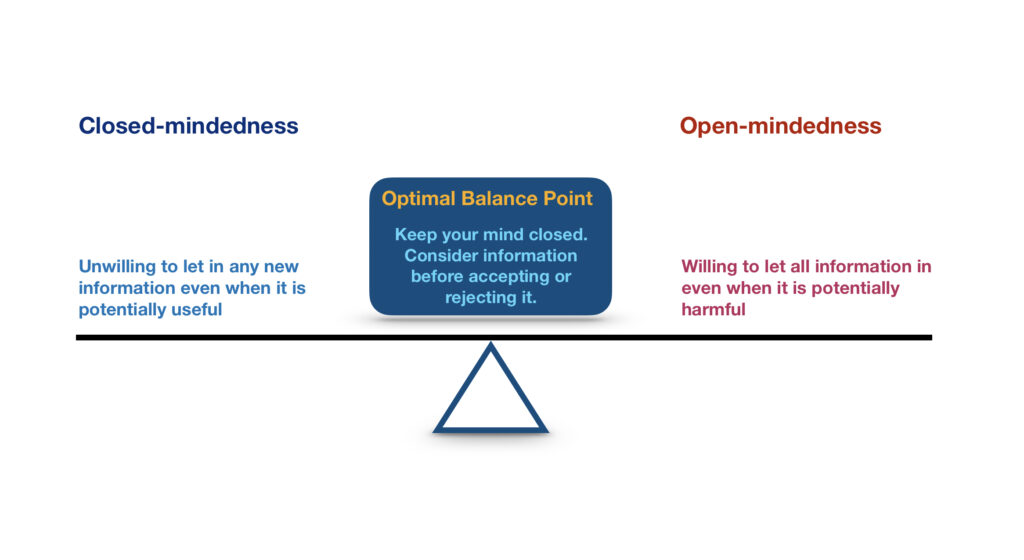
We must always be aware of how teachable we are because our teachability changes from moment to moment. If you notice that you are not being teachable, you can take responsibility for it and generate a willingness to learn. Being teachable is an active process and only you have control over your own teachability. The most teachable person is someone who has found the perfect balance between being closed-minded and being open-minded.
We have been taught in society that open-mindedness is good and that close-mindedness is bad. This makes total sense. If you teach the masses to keep their minds open all the time, they will be easier to control, divide and conquer. However, the optimal teachability comes from keeping your mind closed always and being in total control of your ability to open your mind deliberately and let in new information. This is a skill that can be practiced.
Ideally your mind is closed and you are able to consider new information before dismissing it or accepting it. Don’t just accept or dismiss what you are reading. Think about it, consider it. Be willing to change your thinking but do not believe blindly. Always think for yourself. Be discerning.
Some Pitfalls of Open-Mindedness
When you are too open-minded, you let in all information from multiple sources. All of this information becomes jumbled up in your mind and it will keep you paralyzed with confusion. You will rarely take appropriate actions because you do not know what information to trust. You will find it difficult to trust which path to take or to know which course of action will be best. Ultimately you end up not trusting yourself. You become naive, accepting information without thinking critically about it. All new information is weighted the same in your mind and so you cannot learn effectively from a mentor. You are unable to take charge so you cannot lead yourself or others effectively.
Some Pitfalls of Closed-Mindedness
When you are too closed-minded you let no new information in. You will continue to act in ways that produce the same results (or lack of results) over and over again. You are not confident, but arrogant. You think you know everything (even though you do not) and as a result, you are not teachable. Even if information would be helpful to you, you are closed to it. It becomes difficult to hear the thoughts and opinions of others so your potential for leadership goes out the window. You may have the ability to convince others of your opinions but once they realize you are so stubborn they will not be able to work with you.
Balancing Closed-Mindedness and Open-Mindedness
Imagine your mind is your home. You don’t keep your front door open all the time allowing anyone (thoughts, beliefs and ideas) to come in whenever they choose. With your home, you keep your door closed always. This doesn’t mean the door is closed and locked permanently though. Instead, you are able to invite someone over. When they knock on the door, you can make sure it is them before letting them in. If a new person you don’t know knocks on your door, you can crack the door open and consider whether you want to invite them in or not.
Your mind should work in the same way when it comes to letting in new information. Intelligent people consider new information before accepting or dismissing it. Discernment is the key. Take some time to consider whether you tend to be more closed-minded or open-minded. Go over this post again if you need to, so you can acknowledge the impact your teachability imbalance is having on you and the people around you.